Dangerous ground
October 28, 2011
It’s so hard to write about love without being sucked into the great swamp of cliché. (That swamp is just near the level playing field and the field of dreams, incidentally.) Here’s a poem that attempts to avoid the swamp.
I’ve totally given up trying to make my poems copied onto here revert to single spacing; they just like to be double spaced. And who am I to argue with the muse of the computer?

Love
Dangerous ground, they say; thick sands
tending towards the gluggy, or cloying
like dessert wine, just too too sweet.
Roll it round your tongue and spit!
say the many, divorced from lingering,
an evicted dog’s cold fleas, itching.
But that is not it, that is not it at all.
I realise that now, tottering past forty,
smorgasbord stashed in past’s
crumbed pantry of regret.
Hungover with experiment,
trapezed into performance,
the gourmet becomes gourmand
or abstemes self into shape.
But the shape of love is not six-packed muscle,
nor even delicate lines of balletic grace.
Love is a vegetarian at the butcher’s,
gapes of bed-socks beneath ageing dreams
and the practised caress;
an ideolect of touch and lapping
curled like a cat in memory’s ample gut.
Stretching, it rubs against the legs of so far and thus good.
Then it stalks out into future’s thin twilight, hunting for self,
in the deep dear shadows of the you and the now.
P.S. Cottier
Launch of The Cancellation of Clouds
October 21, 2011

This is the cover of my third book, with a somewhat pensive sheep under a very blank sky. (It’s a poetry collection.)
Hal Judge launched The Cancellation of Clouds at 6pm, Thursday 20th October 2011 at Smiths Alternative Bookstore, Alinga Street, Civic. (Civic is another name for Canberra’s ‘city’ centre – a non-existent thing, really – and the name is intended to contrast with political, governmental, national Canberra.) Hal gave a very thoughtful speech, and I read a few poems, and drank a poetic amount of wine. Senator Nick Xenophon, an independent Senator from South Australia, also read a poem, after he launched the bookstore’s new bar.
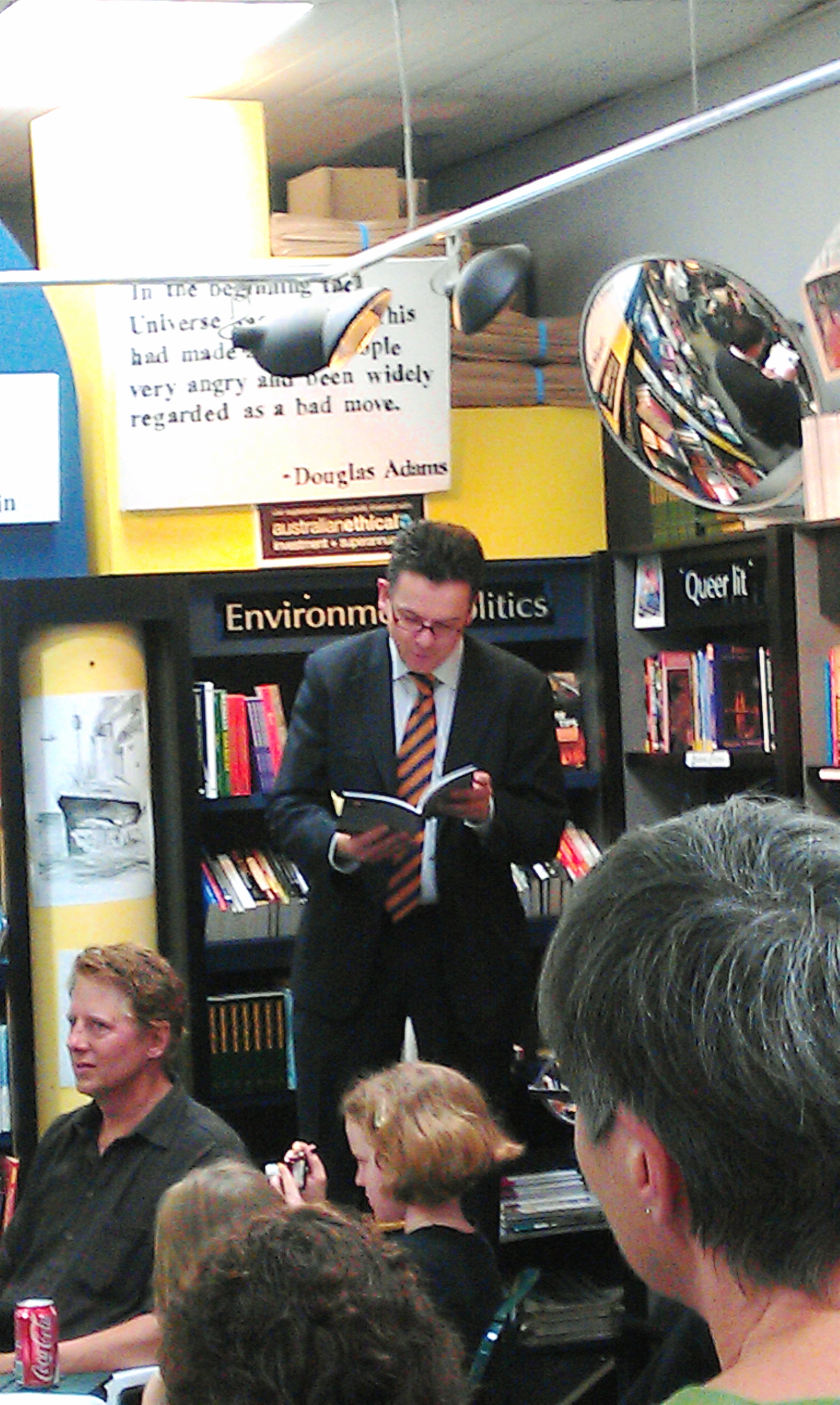
Senator Xenophon takes a gamble
(Thanks Lily Mulholland for this photo.)
If you would like to order the book, please go to this page, within the Ginninderra Press site. The first review of the book, by Professor Peter Pierce in The Canberra Times, describes it as ‘droll, intelligent and varied’, which was a very positive thing to read. And totally right, too! Another reviewer, Michael Byrne, states that ‘It is…love for (and embracing of) the different that seems to define Cottier as a poet.’
And in the book’s first international recognition, New Zealand poet and man of letters Tim Jones describes The Cancellation of Clouds as an ‘Australian poetry collection with a distinctively wry yet dark tone and very effective use of long stanzas and densely packed lines.’. All very gratifying, especially hearing I’m more dark wry than white bread…
***
Now I return you to the real piece that bears the title given above. I originally wrote what follows below back on January 22, 2009, and it still seems a good inclusion for my blog, although I notice a recent trend to write a little more often here than I did originally. For a long time this was the first post the reader saw on my blog, and I only recently allowed it to move away from its ‘sticky’ position on the first page.

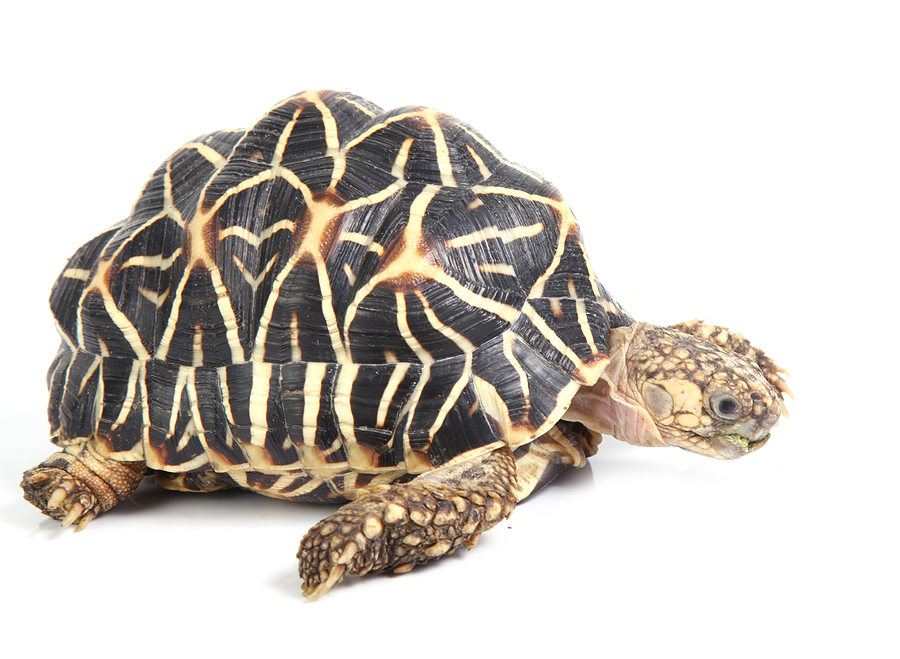 Cicadas and tortoises. And poetry?
In my case, cicadas and tortoises seem apt metaphors for the process of writing. My first book, The Glass Violin, a poetry collection, has just been published by Ginninderra Press. Some of the works in the collection go back twenty years, so the easy option of comparing myself with a tortoise comes to mind. There’s nothing like a good old shell of cliché in which to hide an idea.
Yet I actually write quite quickly. I’ve just been a shocker about trying to have my work published. About a year ago I decided to put an emphasis on seeking publication, and I have been quite fortunate in finding places that liked my work.
Cicadas spend most of their life underground, only emerging after years and years to produce an ear-splitting cacophony. They only live a short while after emergence. As a practising poet, I feel a lot like one of these insects, pushing through editorial mud, but hopefully the process of publication has just begun. I wrote this poem about the vocabulary used for referring to poets as emerging, developing and established:
Emerging poets
White, shovel-shaped finger-nails,
rotten smell, the world’s worst bulbs.
Like durian fruit mushrooming,
zombie poets emerge, pushing
through editorial soil, groaning,
after a decade’s slushy stew.
Perhaps some emerge politely,
quaint chicks toothing oval eggs.
Others make neat papier mâché
cocoons from rejections, wait,
then one day, poof! Harlequin
wings, trembly antennae. Most
are born bogongs, banging on
bright lit windows. Any more sir?
(I like to think that my poetry is a little more melodic than the noise of a cicada, although this example is admittedly a little less than elegiac. Incidentally, all poems on this site are by me, unless otherwise indicated.)
This will be a very occasional blog, as this cicada prefers to work on her poetry. It’s always a temptation to bury yourself away, once the soil has been so very comfortable for so long…

I was very happy to read this review. And this one, too.
And since then, a second book, this time a short collection of short stories:

Both can be ordered from Ginninderra Press, under poetry and fiction respectively.
First review! Plus stars!
September 30, 2011
That’s to say this is the first review on this site. Fear not dear discerning blog-lover, I have written quite a number previously. Indeed, my reviewing efforts were once rewarded with the prize of $200 worth of wine by the ACT Writers Centre, as part of their annual awards. That’s what a poet calls ‘Breakfast’. I have the pleasure of judging the same award for book reviewing, sponsored by Z4 wines, this year.
And actually, I’m lying. There is a link here to a review written by a Canberra writer who calls himself or herself Poetix. So the review is not really here at all. I assume Poetix is a Canberra writer as the review of Canberra and Beyond by well known Canberra identity Bill Tully appears on the RiotACT, a Canberra-based discussion site about all things Canberran.
Sometimes you can have just too much Canberra.

For those 99.999% of the world’s population who have no interest in Canberra (which is the capital of Australia, for those overseas who have never heard of it) please enjoy this little poem about the frustrations of astronomy. The night sky differs between the hemispheres, but there are always stars.

Kicking the telescope
All this antic fiddling
when I wanted wonder
injected from you
like a syringe of pure white.
Fingers work, and thumbs,
in order to make a handle
of space, my grip as dumb
as a paralytic’s knee.
Perspicillim, sounds like
a Martian’s green-snot cold.
Ugly tripod, alien crouching,
on those three ungainly legs.
I swing mine to make a fourth.
You bow your one-eyed head.
P.S. Cottier
About whales
September 6, 2011
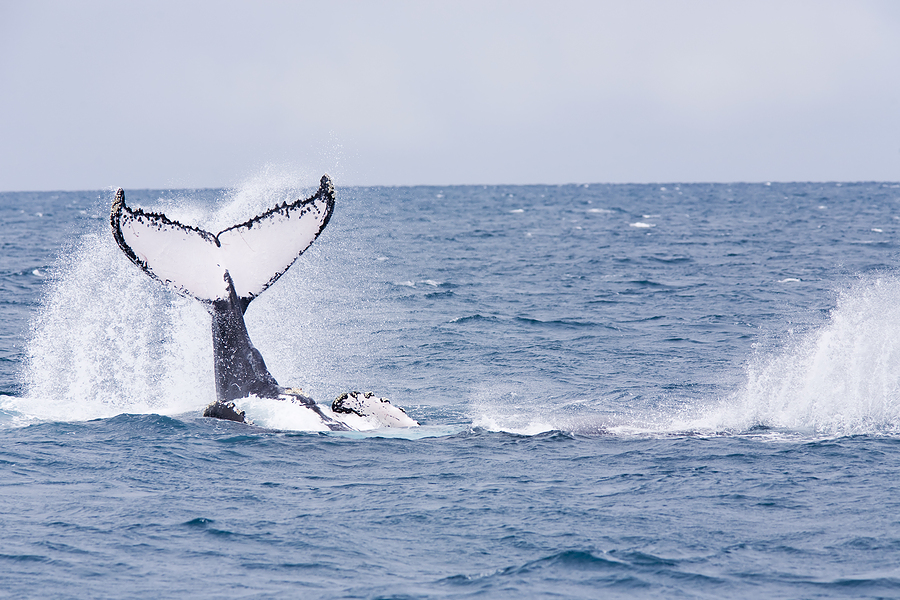
Stranded
Huge rubber torpedoes loose themselves onto shore;
a giant’s speed-humps beached. Incomprehensible,
these commas in a language no-one knows to speak.
Like sheep they follow each other, but no canny dog
can turn them, head them back to deep supporting sea.
Victims of gravity, bulk weighs them down,
and spread of sand becomes a massy grave.
That short word why grows in watchers’ minds,
pressing like the bodies on that fatal beach.
No answer comes. We water them like giant bulbs,
and strain to plant them back in bed of ocean.
But sometimes there can be just too much coast.
Unseen sirens called them, and some turned back
to dire, heavy death. Lapped by waves,
gentle as a fading memory, what do whales see
in that final surge, before their spirits swim away?
P.S. Cottier
Google doppelgängers
August 23, 2011

Not my cup of tea
Google doppelgängers
These other Mes are so athletic.
One plays rugby, knows scrummy secrets,
has pressed his face into smelly invisibility,
and walked the fat spider, laying one brown egg.
These other Mes have mazy businesses,
an eye for opportunity as I have not.
Invest wisely, reap their golden wheat
or fleece, exporting goods, or bads.
Do those other Mes look me up?
Perhaps they say ‘a poet, how very cute.’
Then return to muddy boots, or cruciate schemes,
and smile. Or think a rhyme, at least in dreams.

