Poem: Sand cycle
February 3, 2025
Sand cycle
The sand stretches,
flexes its muscles,
and I am stuck, Goya’s dog,
pulled down,
waking in a different world.
Another world of sand.
I shake and try to pull myself
to a firmer edge. There is no edge,
and I suffocate, and wake again,
stranded, lungs filling, sinking.
I am trapped in an hourglass,
never emptying, dry drowning,
reborn on repeat, reversed
Sisyphus on the beach,
with ten million tiny rocks
pushing into ears and mouth and nose —
feldspar and silica and an
endless choke of grinding quartz.
PS Cottier

Well that’s a miserable poem for my first on the blog for 2025! Many people have had nightmares about being trapped, or suffocating, and this poem attempts to capture that feeling of dread.
In more cheerful news, another review of The Thirty-one Legs of Vladimir Putin, a novella co-written by NG Hartland and myself can be found here. The reviewer is Tim Jones.
(Illustration by Thomas Rowlandson)
Reviews and sniffer dogs
November 18, 2024
The Thirty-One Legs of Vladimir Putin has attracted some thoughtful and positive reviews.
Firstly at Compulsive Reader, where Magdalena Ball wrote the first review of the book. She calls it ‘quirky and strangely haunting’. Secondly, at The Australian. This one is behind a paywall, but the reviewer, Jack Marx, uses phrases like ‘so unusually brilliant’ and states that ‘There is not a bad chapter in The Thirty-One Legs of Vladimir Putin, and a delight of some sort – usually many – on every page.’ It’s enough to make an author blush! Seriously.
In other news, a poem I entered in The Thunderbolt Prize for Crime Writing was commended, which is great. I am working on a short manuscript about dogs, and the poem was about sniffer dogs. You can read the winners here. And here is my poem. And a dog.

Ardent nose

We sniff our way through violence,
the dropped hat or jeans removed,
splatters on grass, the blood-crumbs,
we call them among ourselves.
Some of us disinter computers containing
hidden quests for poisonous feasts.
Here a soupçon of arsenic, there
a sprinkle of fentanyl, adding spice,
designed to remove a troublesome life.
Recipes rarely handed down.

Others detect stashes of drugs,
or cash converted from same,
secreted behind hasty plaster walls.
Our indications cause such a havoc
of mattocks, a stucco snowstorm.
We are taken outside, in case we eat
those attractive disentombed baggies
neatly counted into incriminating piles,
photographed and fussed over.

We’d rather be out after truffles,
chase sticks and toys, roll in dung,
but we sense delight when we unearth
what your dodgy senses cannot catch.
Your poor excuses for olfaction
are unable to detect screams of scent
slapping the face of the air.
My friend, the springer spaniel,
trained from a floppy ball of pup,
all long hair, tongue and wag,
tastes the cadaver air, helps reveal
the buried answer to a search —
for don’t all dogs love bones?

Long before your Poirots or Bosches,
your Holmes after that fog-bound hound,
we sleuths found what you could not find,
found the worst of humankind.

We barked, or sat, and simply waited
for you to finally catch us up.

PS Cottier

Note: The word sleuth derives from slough dog or sleuth-hound, a bloodhound once found in Scotland.
Review: Peter Doherty on the virus
August 29, 2021
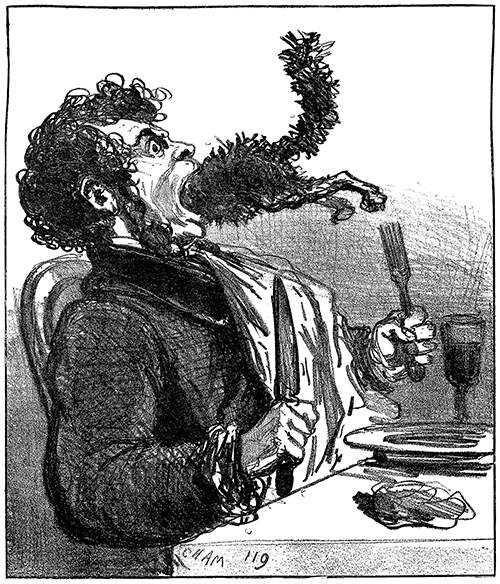
I thought that some readers might be interested in a review I wrote of Peter Doherty’s book An Insider’s Plague Year. And just in case I am right, here’s the link! The following illustration has nothing to do with the review, except that mice feature there, too. I just had to use this, so why not now?
My reviewing is picking up a lot after I made my first swag of selections for poetry at The Canberra Times, which took a great deal of thought. The straight ‘no’ is easy, as are the obvious yes poems. It’s the maybes that kill you.
Reviewing
May 17, 2021
I have recently had my fortieth review published at The Canberra Times. The book was a challenging and at times disturbing analysis of psychosomatic illnesses, entitled The Sleeping Beauties and Other Stories of Mystery Illness by Suzanne O’Sullivan. You can read the review here.

Writing so many reviews has given me a lot of time to reflect on the process. I see a review as a kind of bridge between the book and reader. The reader can cross over the bridge, and then make the decision as to whether they will jump off the other side, to buy or borrow the book.
Questions such as whether the book is a good example of its genre, and how it fits into an author’s previous publications can be addressed. New authors’ strengths can be celebrated, and what they add to a genre examined. There’s no point reviewing a thriller and complaining about it being action driven, or a horror novel for trading in darkness, for example; that would be a misuse of space.
I will of course point out what I see as faults in a strong book, but if there’s a book I really can’t stand, I won’t review it. People want to be referred to books worth the reading, and have an indication as to why, rather than observe the reviewer’s vocabulary of negative words being taken out for a walk (or flaunt). I don’t want to dwell on something that I find annoying or repellent, either.
The wide variety of books available has taken me to places I wouldn’t necessarily have gone without having the ability to read for review (which entails free books, and being paid something for the effort). Would I have sought out a book about psychosomatic illness before I began reviewing regularly? Possibly not. So a reviewer puts herself over a kind of bridge each time she picks up a new type of book, sometimes checking out surprising views on the way to the book’s end, before going back and asking the reader to accompany her.
I think I’ve flogged the bridge metaphor to death, and must now blow it up in a River Kwai type action. I try and avoid that sort of exhausting overuse of metaphor in reviews. Honestly.
Book Review: Two Holocaust stories
August 11, 2020
https://www.canberratimes.com.au/story/6862223/harrowing-and-inspiring-stories/
In recent months I have been reviewing quite a few books for The Canberra Times. The most recent review, published on 8-8-2020, is of two remarkable books recounting the lives of Holocaust survivors, and I thought I’d post a link to it here. The books reviewed are Eddie Jaku’s The Happiest Man on Earth and When Time Stopped: A Memoir of My Father’s War and What Remains by Ariana Neumann.
Reviewing is a privilege when it involves reading books such as these; the only problem is trying to do the books justice in the space available.
Photo by Flora Westbrook on Pexels.com
 PS Cottier