Launch of The Cancellation of Clouds
October 21, 2011

This is the cover of my third book, with a somewhat pensive sheep under a very blank sky. (It’s a poetry collection.)
Hal Judge launched The Cancellation of Clouds at 6pm, Thursday 20th October 2011 at Smiths Alternative Bookstore, Alinga Street, Civic. (Civic is another name for Canberra’s ‘city’ centre – a non-existent thing, really – and the name is intended to contrast with political, governmental, national Canberra.) Hal gave a very thoughtful speech, and I read a few poems, and drank a poetic amount of wine. Senator Nick Xenophon, an independent Senator from South Australia, also read a poem, after he launched the bookstore’s new bar.
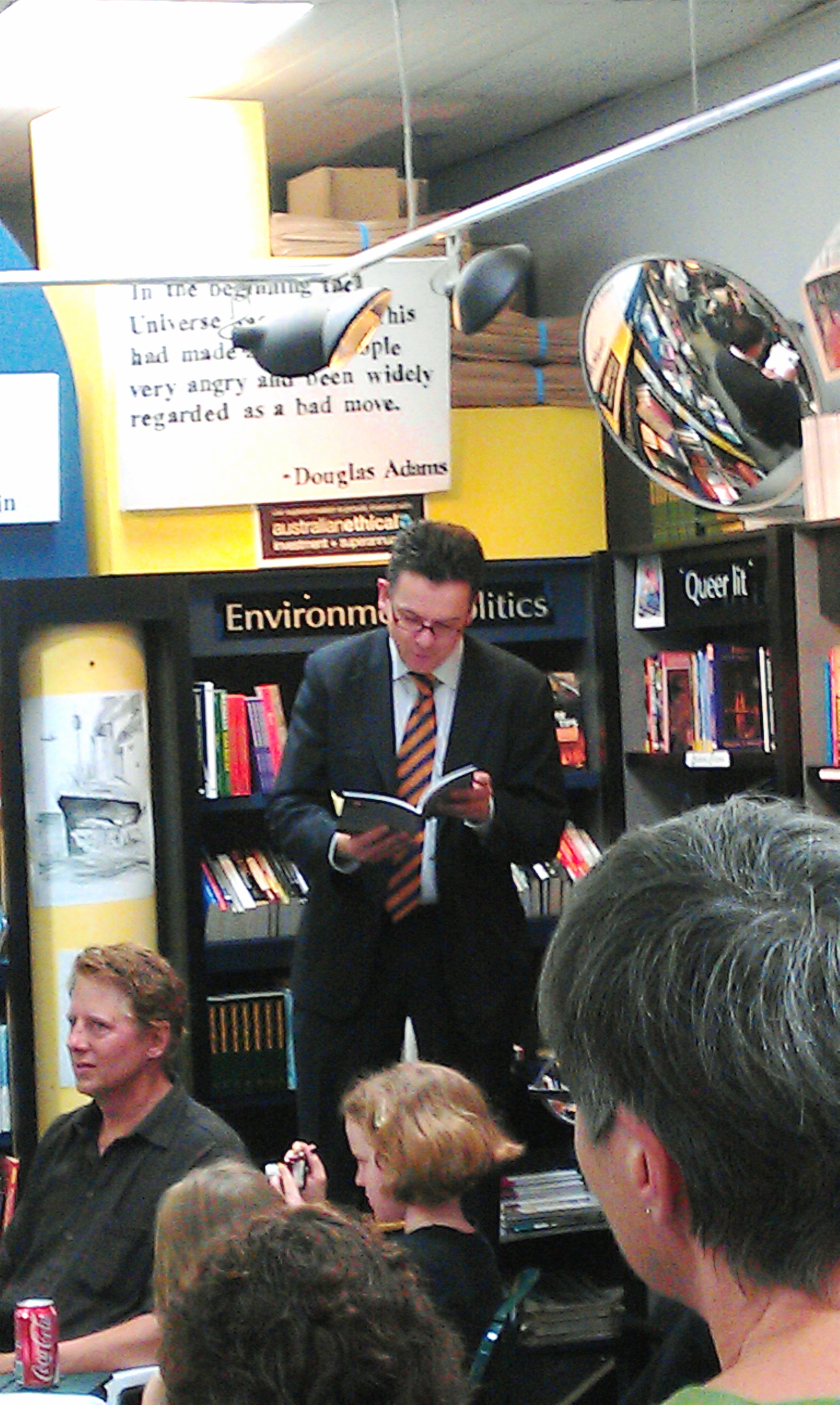
Senator Xenophon takes a gamble
(Thanks Lily Mulholland for this photo.)
If you would like to order the book, please go to this page, within the Ginninderra Press site. The first review of the book, by Professor Peter Pierce in The Canberra Times, describes it as ‘droll, intelligent and varied’, which was a very positive thing to read. And totally right, too! Another reviewer, Michael Byrne, states that ‘It is…love for (and embracing of) the different that seems to define Cottier as a poet.’
And in the book’s first international recognition, New Zealand poet and man of letters Tim Jones describes The Cancellation of Clouds as an ‘Australian poetry collection with a distinctively wry yet dark tone and very effective use of long stanzas and densely packed lines.’. All very gratifying, especially hearing I’m more dark wry than white bread…
***
Now I return you to the real piece that bears the title given above. I originally wrote what follows below back on January 22, 2009, and it still seems a good inclusion for my blog, although I notice a recent trend to write a little more often here than I did originally. For a long time this was the first post the reader saw on my blog, and I only recently allowed it to move away from its ‘sticky’ position on the first page.

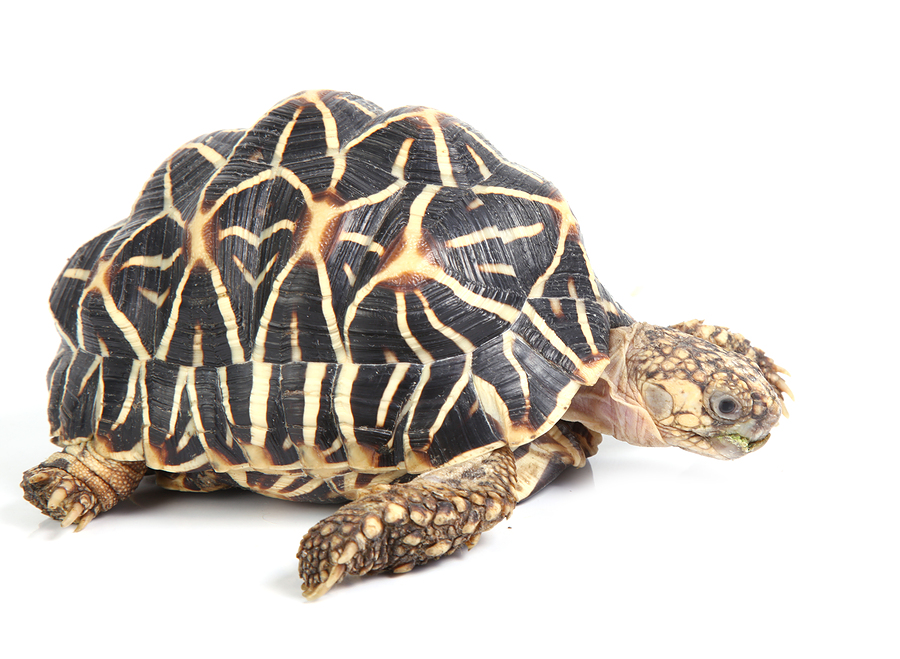 Cicadas and tortoises. And poetry?
In my case, cicadas and tortoises seem apt metaphors for the process of writing. My first book, The Glass Violin, a poetry collection, has just been published by Ginninderra Press. Some of the works in the collection go back twenty years, so the easy option of comparing myself with a tortoise comes to mind. There’s nothing like a good old shell of cliché in which to hide an idea.
Yet I actually write quite quickly. I’ve just been a shocker about trying to have my work published. About a year ago I decided to put an emphasis on seeking publication, and I have been quite fortunate in finding places that liked my work.
Cicadas spend most of their life underground, only emerging after years and years to produce an ear-splitting cacophony. They only live a short while after emergence. As a practising poet, I feel a lot like one of these insects, pushing through editorial mud, but hopefully the process of publication has just begun. I wrote this poem about the vocabulary used for referring to poets as emerging, developing and established:
Emerging poets
White, shovel-shaped finger-nails,
rotten smell, the world’s worst bulbs.
Like durian fruit mushrooming,
zombie poets emerge, pushing
through editorial soil, groaning,
after a decade’s slushy stew.
Perhaps some emerge politely,
quaint chicks toothing oval eggs.
Others make neat papier mâché
cocoons from rejections, wait,
then one day, poof! Harlequin
wings, trembly antennae. Most
are born bogongs, banging on
bright lit windows. Any more sir?
(I like to think that my poetry is a little more melodic than the noise of a cicada, although this example is admittedly a little less than elegiac. Incidentally, all poems on this site are by me, unless otherwise indicated.)
This will be a very occasional blog, as this cicada prefers to work on her poetry. It’s always a temptation to bury yourself away, once the soil has been so very comfortable for so long…

I was very happy to read this review. And this one, too.
And since then, a second book, this time a short collection of short stories:

Both can be ordered from Ginninderra Press, under poetry and fiction respectively.
About whales
September 6, 2011
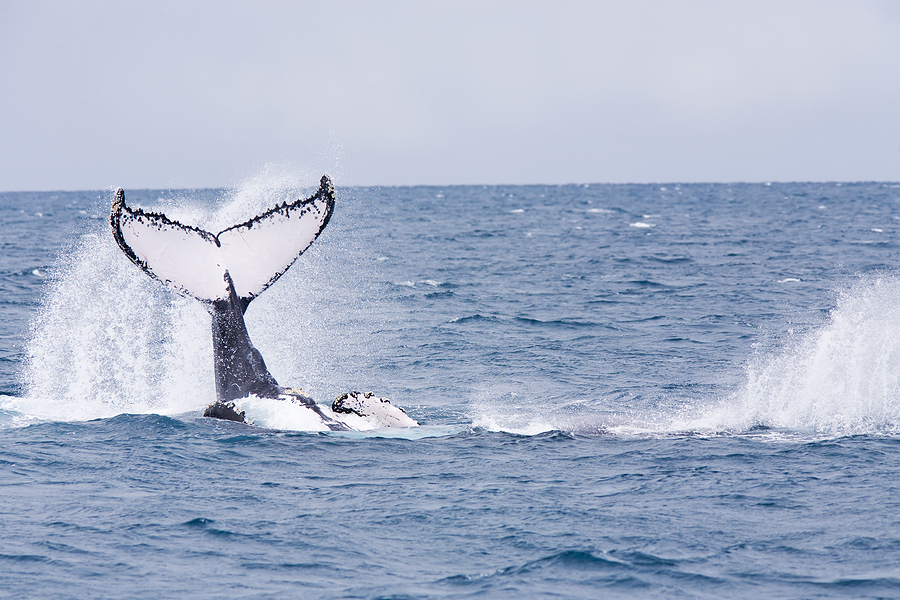
Stranded
Huge rubber torpedoes loose themselves onto shore;
a giant’s speed-humps beached. Incomprehensible,
these commas in a language no-one knows to speak.
Like sheep they follow each other, but no canny dog
can turn them, head them back to deep supporting sea.
Victims of gravity, bulk weighs them down,
and spread of sand becomes a massy grave.
That short word why grows in watchers’ minds,
pressing like the bodies on that fatal beach.
No answer comes. We water them like giant bulbs,
and strain to plant them back in bed of ocean.
But sometimes there can be just too much coast.
Unseen sirens called them, and some turned back
to dire, heavy death. Lapped by waves,
gentle as a fading memory, what do whales see
in that final surge, before their spirits swim away?
P.S. Cottier
Trail of disinformation
August 18, 2011

Must find accent key...
Trail of disinformation
P.S. Cottier
‘Does it really matter, love? After all, we’re talking about a snail, aren’t we? I put down bait for them. Or squash them. It’s them or my veggies.’ Bill smiled, ate a peanut, and drank a little more beer.
‘It’s a special snail. A green one. Tiny.’ I sounded vaguely desperate, and I knew it.
‘But it’s still a snail, green, orange or purple. Rainbow even. I just don’t see the point, worrying about an ugly little bugger like that.’
Bill had hit the nail, or the snail shell, on the head. We were just talking about ‘ugly little buggers’. We wanted to prevent the development of a proposed mine because of the presence of rare miniature green snails, only found in one small pocket of rain-forest. If it were koalas, once the subject of a bounty, we would have been national heroes. A rare species of bird would be understandable. Everyone can see beauty in a bird. But a mollusc is quite a different kettle of fish. Too far beneath our eyes to count. Too near our feet.
It was Jennifer, my best friend and fellow conservationist, who came up with the idea to give our campaign to save the habitat of the endangered snail a certain indefinable…je ne sais quoi.
I knew we were onto a winner the next time I ran into Bill at the pub. He was reading the newspaper, the one that Jennifer had just leaked her ‘secret information’ to. It trembled in his hands. I noticed that he wasn’t smiling, or cracking jokes like errant carapaces amongst the beans. Indeed, he seemed a little angry, a little red in the face.
Bill turned the paper over so I could read the article he had just read. I had to cover my nascent smile as I read:
‘French offer to take Aussie snails
This paper has heard that an offer has been made, through official channels, for all the endangered miniature green snails in the area currently being considered for the development of a new mine to be removed and relocated to France, at the expense of the French Government. It is hoped that the species may prove edible.’
‘Bloody cheek’, said Bill, as he took a long drink of beer. ‘They’ve got their own snails. Poor little buggers. Why do they want to steal ours?’
He’d forgotten his previous comments about pellets and gardening. We had wrapped the miniature green snail in the flag, rendered it as Australian as the kangaroo. We eat them, but that’s different, apparently.
Despite vigorous denials from the French embassy, the story stuck. The public was outraged. Next week, the Government officially declared the snail habitat protected.
And deep in the bush, the tiny snails act out their slimy lives, safe from the development of a new tin mine. And of course, safe from any forced repatriation to the restaurant rich and risky boulevards of Paris.
Exporting pain
June 22, 2011
I wrote this poem about three years ago, and it seems like a good time to post it here. There is a push in Australia to ban live exports of sheep and cattle to countries where Australia has no real control over the conditions in which they are slaughtered (i.e. everywhere else but here). This is truly a horrible industry; not just because of the methods of slaughter often being unregulated but because of the long confinement that any trip from Australia necessarily involves. Here is a link to one of the sites pushing to have the trade banned.
It was quite predictable that there would be an outburst of stories featuring ‘honest Aussie farmers’ whose living is being threatened by ‘animal activists’. It’s unfortunate if anyone is really hurt financially, but it’s simply unacceptable that we are raising animals that are then being being tortured to death once exported. Kill the animals here, under proper religious supervision where necessary, and don’t turn a conveniently blind eye to the suffering of sentient creatures. I am a vegetarian, but there is no neutrality on this issue. Many meat-eaters have also been appalled to learn of the treatment of cattle in some foreign slaughter-houses, and the response to recently released video of conditions in some Indonesian abattoirs has reached far beyond the usual groups of animal rights supporters.
Any method of killing animals causes suffering, but this must be minimised, if people insist on eating them. The test for whether an industry is humane is ‘how would people feel if it was thousands of dogs being exported and killed like this?’ Imagine filling a container vessel with dogs and shipping them to, say, China to face a slow and painful death. What’s the difference with sheep and cattle? Oh, yes, that’s right. They’re not ‘pets’. Just animals. Delightfully logical. Enough rant, here’s the poem.
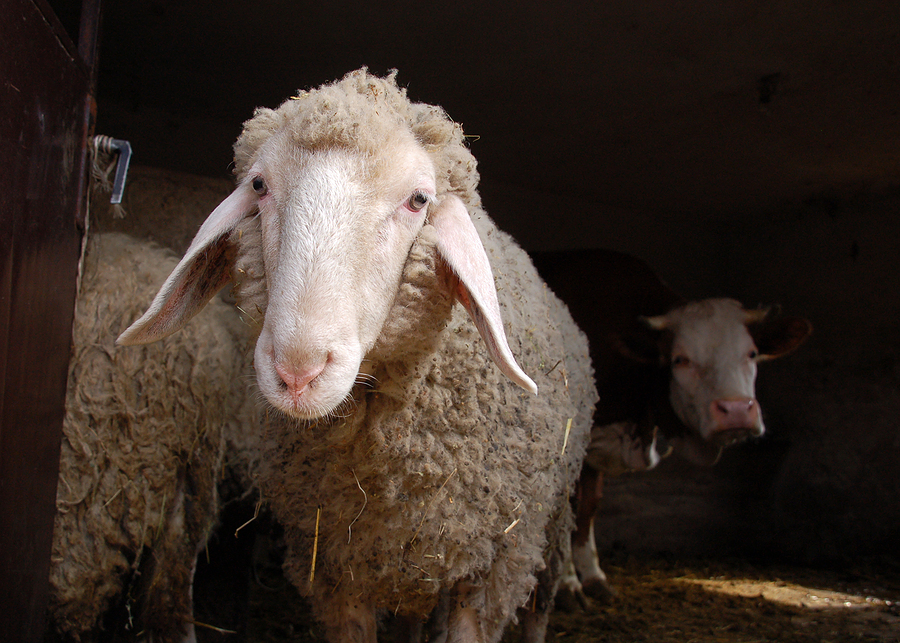
Global farms
Stock cubes
are sent to sea, flavoursome squares
of mutton flesh and bone, seasoning,
woolly sardines.
Between pasture and knife
the blue stretches, and the yellow,
as rivers soak downwards,
contained in time.
No truck of guilt to turn from,
met on sudden road. Squalor
bleats over dollar’s equator,
safely unseen.
P.S. Cottier
10 words, 2 days and a flock
June 17, 2011
I recently competed in an interesting competition run by a Canadian journal, Contemporary Verse 2. They give a list of ten words, and punters (who must have pre-registered) have two days to create a poem which contains every word. I sometimes like doing this type of thing as it stops me from falling in a rut, and if the result is less than wonderful, it doesn’t really matter.
I was very pleased to receive an honourable mention, particularly as I found myself writing about cockatoos; hardly something that the average Canadian would see stripping the bark from maple trees on a daily basis, or resting on the antlers of moose. Actually I know that Canada, like Australia, is overwhelmingly urban, so please excuse my tired and narrow stereotypes. (Is there such a thing as a vibrant and broad stereotype?) Here in Canberra cockatoos are as common as sparrows. If not commoner, which is remarkable given how many foreign birds have been released in this country over the past 200 years.
I won’t put the poem up here, as I can’t remember if I granted exclusive e-rights for a time to CV2 (probably not) but here is a link to the poem about cockatoos, imaginatively entitled ‘Cockatoos‘.

Muse with beak
Reading the other poems is fascinating; they are so good that I forgot that they had to contain the magic ten words. And the other poems were mostly urban.
Really urban, not Canberra urban.

