Tuesday poem: A limited number of autumns
March 28, 2017
A limited number of autumns
mulched, or tumbled in a barrel,
spread thin, or just allowed to fall.
The angry man with the blower.
The desperate, toothy rake,
plied like a weapon to hold back
swarming leaves of dragon red.
Carpeting drive and inscribing soil —
the pointed, scarlet letters
of a limited number of autumns.
PS Cottier
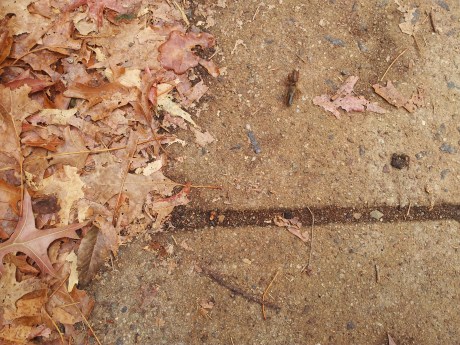
I belong to the ‘let it fall where it will’ school of gardening, which must frustrate those with gardens that look like they were bought from Ikea and assembled with an Allen key. There are many introduced species of trees in Canberra, which provide people with the ideal way of expressing their personalities as they battle the leaves. Or not.
Tuesday poem: Notes towards ‘Feral’
March 14, 2017
Feral
Feral is the weed that walks hops or swims
that we seeded here first of all.
Like weapons in Afghanistan to fight Russians,
they shoot back against the giver, given time.
The irony in the soil, the punch-line
that keeps moving.
They are the spoonful of toad that never
helped the sugar.
The feral is the new devil;
we burn them, use their live bodies for cricket,
run them over.
They are our scapegoats, scapetoads, scapecarp,
whipping boys for our royal, stupid selves.
Varmint, pest, pets gone wild, rejigged —
dancing to their own tune.
PS Cottier

Continuing thoughts about what is a weed from my last post, this week I touch on feral pests, with which Australia is now teeming, after 200 years of colonisation/invasion.
Cane toads are probably amongst the most famous, although even cats multiply like mice (ew!) here, and feed on parrots and lizards and all the tiny marsupials that most Australians in cities have never seen.
I am working on a sequence based on this; though trying to organise my thoughts is like teaching cane toads manners. (And that’s not a cane toad above, but it is a cool illustration, courtesy of the wonderful resource Old Book Illustrations.) The guy peeping at the main figure is 100% Gandalf, and I’m sure he has Powers over toads.
Either that or he uses them for their interesting secretions.
Tuesday poem: (haiku)
March 7, 2017
weedy thoughts
quick bloom brightness
scattering
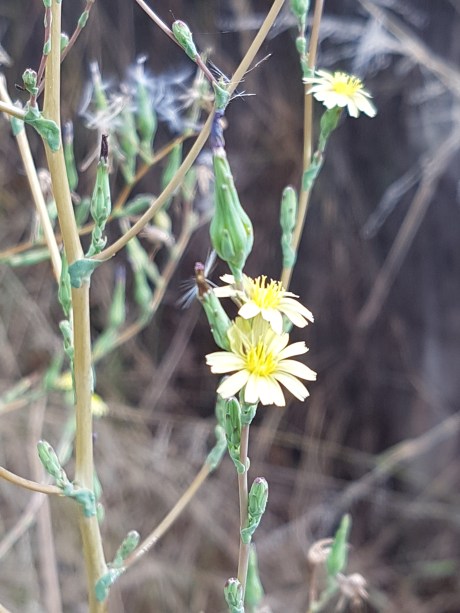
When is a flower not a flower? When we classify it as weed. This plant has sprung up near me, and as it is at eye height, I noticed how lovely the flowers are. However, in most gardens it would be immediately removed as a threat to lawn and order.
A little like the way we ignore the fleeting thoughts that pulse through our heads. Unless of course, we’re “mad poets”. Going to seed, every day.
Tuesday poem: Pages like football fields
February 27, 2017
Pages like football fields
People try to bring home
what is happening in the Amazon
and they reach for metaphors, like tools.
They hope to find the metaphor
to push reluctant minds into consciousness.
A metaphor as useful as a chainsaw
that fells a thousand year old tree.
Some people turn to mother
and speak of the earth’s bosom.
Or of a green girdle
(Mother is an unfashionable dame)
or of wombs and fecundity.
When they really work themselves up,
They speak of raping the earth,
which must equate to removing a girdle
In such people’s minds.
Still others take a sporting approach,
calculating the number of football fields
lost to the dozer each minute.
Suggesting that if we only blew a magic whistle,
the infringement would cease, fair play break out.
Such people tackle issues head on,
so long as the goals are clear, and the weather fine,
they’ll take a punt at converting you.
And of course the difficulty is that what happens
Is no metaphor at all, nor a smiling simile.
What is lost, can not be substituted.
It is this process of substitution
which allows some to think money
when they see that thousand year tree.
Just as others call starvation, debt.
These things stand in for each other,
support each other.
That is the problem with minting too many metaphors.
They prop up things that should be brought down.
However, let me present one more.
If this page were the rainforest,
the letters its constituent parts:
jaguar, fungus, creeper, human,
then in twenty years (or less)
the man who borrowed this book from the library
would have ripped it out, jaggedly.
By doing so, he has caused
all the book to unravel.
Slothfully it started,
leaves dropped daily,
the spine collapsed.
Now it is not a book.
punctuation is gone
pages and w rds have g
PS Cottier
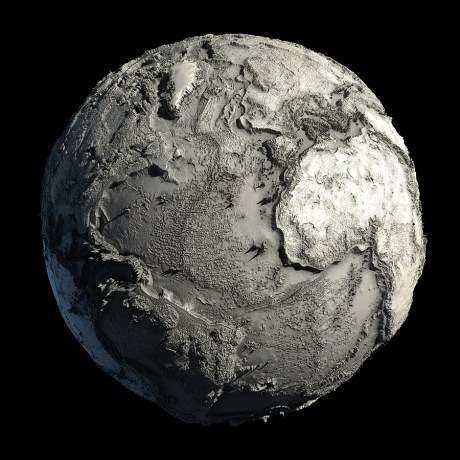
This comes from my first book, The Glass Violin, published way back in 2008. I just reread it recently, and thought that it had held up quite well.
Mind you, I have been known to select Sheena Easton’s ‘My Baby Takes the Morning Train’ to play at the gym, so I am by no means to be trusted.
Tuesday poem: What I see is not forever
February 20, 2017
What I see is not forever
Around the world we hear
that sweetness is dwindling;
at least the bee-borne sort.
They’re in my garden though,
have claimed the bird bath
as bee bath, sipping relief
from forty harsh degrees.
Colonies are collapsing.
Sudden buzzless fields,
quiet stingless grasses —
husk bodies whisper warnings.
Yet here, this weird abundance,
writing a million hovering lines.
How long? I ask the bees.
But bees know neither science
nor faith, except, perhaps,
that this shallow bath
holds water, and may yet
cup a cool tomorrow or two.
PS Cottier

Read about hive collapse syndrome: http://www.smh.com.au/technology/sci-tech/australian-scientists-may-have-solved-the-mystery-of-bee-colony-collapse-20150209-13a6ss.html
I am always frustrated by the kind of comment to articles about climate change that says ‘Well it’s cold in [insert locale] now so global warming is nothing to worry about!’. This got me thinking that the abundance of bees in my garden may be something that could disappear quite quickly; that one person’s eyes are never enough to give a comprehensive view.
Whether the fate of the bees is directly related to climate change is something I don’t know, but their dwindling numbers is a worrying phenomenon.
 PS Cottier